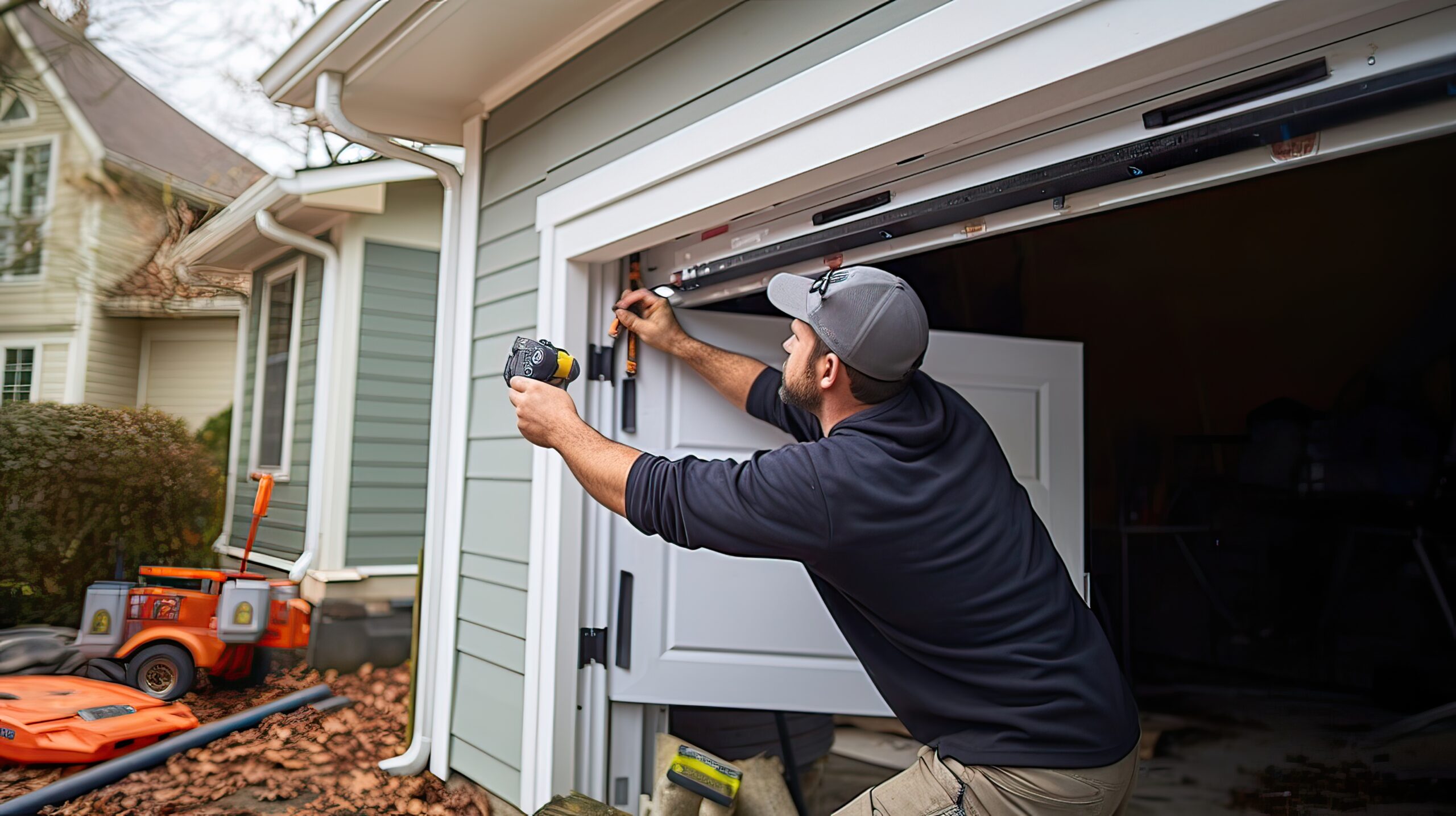
You know how frustrating garage door issues can be, especially when you’ve ever pressed the button on your remote and gotten absolutely nothing — no click, no hum, no movement.
However, the good news is that most of the time, the fix is simpler than you think. Let’s walk through the most common reasons your garage door opener stops working and what you can do about it today.
Power Supply Problems
This is the first place to check, and it’s often the easiest fix. Your opener needs a steady power supply to function. Start by making sure the unit is plugged in — cords can loosen over time without anyone noticing. Then plug something else into the same outlet, like a phone charger, to confirm the outlet is actually working.
If the outlet is dead, head to your breaker box and look for any tripped breakers. In garages, GFCI outlets are common, and these can trip without warning. Press the reset button firmly until it clicks.
Still no luck? Try unplugging the opener for about 30 seconds and plugging it back in. This simple reset clears minor electronic glitches and gets things running again more often than you’d expect.
Remote Control or Wall Button Issues
Dead batteries are the number one reason a garage door opener seems to stop working out of nowhere. Swap out the batteries in your remote — most use CR2032 or AA batteries — and test it from about 20 to 30 feet away. If the remote’s LED doesn’t light up when you press the button, fresh batteries should solve it.
If new batteries don’t help, you may need to reprogram the remote. Here’s how: Press and hold the “Learn” button on your opener unit until the LED light flashes. Within 30 seconds, press your remote button twice. The opener should click or flash to confirm the pairing.
Wall-mounted buttons can also stop responding if dirt builds up around them. A quick wipe with a cloth dampened in rubbing alcohol usually does the trick.
Safety Sensor Misalignment
Modern garage door openers use two small sensors near the floor on either side of the door. These sensors send an infrared beam across the opening. If something breaks that beam — or if the sensors fall out of alignment — the opener won’t close the door as a safety measure.
Look at the sensor lights. A steady green light on one side and a steady amber light on the other means they’re aligned correctly. Blinking or dim lights mean something is off. Loosen the sensor brackets, gently adjust them so they face each other directly, and retighten. Clean the lenses with a soft cloth to remove any dust or debris that might be blocking the signal.
This is one of the most common garage door issues homeowners run into, and it takes just a few minutes to fix.
Mechanical Obstructions
Sometimes the problem isn’t electrical at all. Pull the red emergency release cord to disconnect the door from the opener, then lift the door by hand. It should move smoothly with moderate resistance, around 10 to 20 pounds of effort.
If the door feels stiff or catches, check the tracks for debris and apply white lithium grease to the rollers and hinges. Avoid using WD-40 here — it’s a cleaner, not a lubricant, and it can actually attract more dirt over time.
If you notice frayed cables or a spring that looks stretched or broken, stop and call a professional. Garage door springs store an enormous amount of tension and can cause serious injury if handled incorrectly. This is one area where garage door repair is best left to a certified technician.
Limit Switch and Force Settings
If your door opens but won’t close all the way, or closes but immediately reopens, the limit or force settings on your opener may need adjustment. These settings control how far the door travels and how much force it uses.
Most openers have small adjustment screws labeled with up and down arrows. Turn them in small increments, about a quarter turn at a time, and test the door after each adjustment. Make sure the door reverses when it contacts a solid object like a 2×4 placed on the ground. This auto-reverse feature is a key safety function.
Also Read: Signs Your Garage Door Track Is Bent or Misaligned
What Is the Purpose of a Garage Door Opener?
A garage door opener is an electric motor-powered device that opens and closes your garage door at the press of a button. It connects to your door through a rail system and uses a drive mechanism — chain, belt, or screw — to do the heavy lifting. Beyond convenience, it also adds a layer of security to your home, since modern openers come with rolling-code technology that prevents unauthorized access.
Do I Really Need a Garage Door Opener?
Technically, no — you can operate a garage door manually. But once you’ve used an opener, going back feels like a major step backward, especially in bad weather or when you’re running late. A good opener also protects your door’s mechanical parts by applying consistent, controlled force.
So while it’s not a strict necessity, a working garage door opener makes daily life a whole lot easier.
Also Read: The Importance of Garage Door Balance and Alignment
Conclusion
The best way to avoid a broken opener is consistent garage door maintenance. Once a month, test the auto-reverse function. Every few months, tighten loose hardware and check the sensor alignment. Once a year, lubricate all moving parts and have a professional inspect the springs and cables.
A little attention goes a long way. Most garage door issues start small and become bigger problems when ignored. Stay ahead of them, and your opener will keep running smoothly for years.If your garage door opener isn’t working properly or you’d like a professional inspection, we are here to help. Our experienced team can handle repairs, maintenance, and inspections to keep your garage door running safely and smoothly. Contact us today.