Winter brings cozy evenings and hot cocoa, but it also brings skyrocketing heating bills that make you cringe every time you check your mailbox. If you’re looking for ways to cut those costs without sacrificing comfort, you might be overlooking one of the biggest culprits in your home: your garage door.
An insulated garage door can be a game-changer for your winter energy bills, and here’s why it matters more than you might think.
Why Your Garage Door Matters More Than You Think
Your garage door covers a massive area, often spanning 150 to 200 square feet. That’s basically like having a giant wall exposed to freezing temperatures all winter long. When you have an uninsulated door, you’re essentially leaving a window wide open, allowing precious heat to escape and cold air to rush in.
For homes with attached garages, this problem becomes even more significant. That cold air doesn’t stay in the garage. It seeps through shared walls and ceilings, chilling the rooms above and beside your garage. Your furnace then works overtime trying to compensate, burning through energy and driving up your bills.
Understanding Garage Door Insulation
So what makes an energy-efficient garage door different from a standard one? It all comes down to the R-value, which measures thermal resistance. Standard uninsulated garage doors have an R-value hovering around 0 or 0.1, offering virtually no protection against the cold.
Premium insulated models, on the other hand, boast R-values between 9 and 18, with some high-end options reaching even higher.
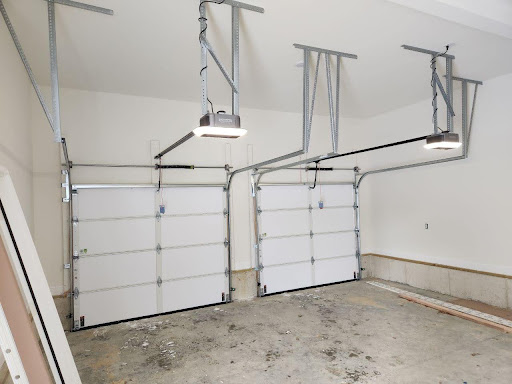
These insulated garage doors typically feature polyurethane or polystyrene foam cores sandwiched between double layers of steel. This construction creates a solid barrier against three key types of heat loss: conduction, convection, and radiation. The foam traps tiny air pockets that resist heat transfer, essentially building a thermal shield for your home.
The Real-World Impact on Your Heating Bills
Here’s where things get interesting. When comparing insulated vs non-insulated garage doors, the difference in performance is dramatic. Studies show that insulated models prevent 30 to 70 percent of the energy loss that occurs through uninsulated versions.
What does this mean for your wallet? Homeowners in cold climates typically see their heating bills drop by 10 to 25 percent after installing an insulated garage door. For the average household, that translates to annual savings between $250 and $600, depending on your door size, local energy rates, and how brutal your winters get.
The math is pretty straightforward. An uninsulated door can drop the temperature in garage-adjacent rooms by 15 to 20°F. This forces your HVAC system to cycle on and off more frequently, working harder to maintain your desired temperature. That constant short-cycling not only wastes energy but also wears down your heating system faster.
With proper garage door insulation, your garage stays 20 to 30 degrees warmer than it would otherwise. This buffer zone protects your living spaces from temperature swings and gives your furnace a much-needed break.
Also Read: The Importance of Garage Door Balance and Alignment
Garage Door Insulation Benefits Beyond Energy Savings
The advantages of winterizing your garage doors extend well beyond lower utility bills. Rooms located above or next to your garage will feel noticeably warmer, often by 10 to 12 degrees, without requiring any additional heating. You’ll notice fewer drafts sneaking through your home and a more consistent indoor climate overall.
Your belongings benefit too. Tools, sports equipment, paint cans, and vehicles stored in the garage face less risk of freeze damage. Nothing’s worse than discovering your expensive power tools have been compromised by extreme temperature swings or that your car battery gave up the ghost because of the cold.
An insulated garage door also cuts down on noise, making your space quieter and more pleasant. Plus, the added structural integrity of double-layer construction provides better protection against wind, ice, and everyday wear and tear.
Does An Insulated Garage Keep A House Warmer?
Installing an insulated garage door represents the single most effective step for maintaining comfortable garage temperatures during winter. However, you can maximize your results by addressing other areas as well.
Weather stripping around the door frame and a quality bottom seal prevent drafts from sneaking through gaps. These components work together with your insulated door to create an airtight barrier against the elements.
Consider adding insulation to your garage walls and ceiling if your budget allows. This complementary approach can boost your energy savings by an additional 15 to 20 percent. The combination creates a fully insulated envelope that keeps warm air inside where it belongs.
Smart garage door openers with thermal sensors can help too. These systems automatically adjust to maintain optimal sealing and alert you to potential issues before they become expensive problems.
Investment and Return: Making the Numbers Work
Quality insulated garage doors typically cost between $1,800 and $5,000 when professionally installed. That includes the door itself, usually priced at $1,200 to $3,500, plus installation labor and essential components like weather seals and tracks.
Before you balk at the upfront cost, consider the payback period. Most homeowners recoup their investment within two to five years through reduced energy bills. After that, the savings go straight to your pocket, year after year.
Premium brands like Clopay and Amarr offer warranties spanning 20 to 50 years, giving you decades of reliable performance. You’re also extending the life of your HVAC system by reducing its workload, which can save thousands in premature replacement costs.
Also Read: The Ultimate Annual Garage Door Maintenance Checklist
Winter Home Insulation Tips for Maximum Efficiency
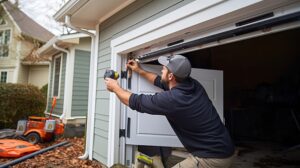
Getting the most from your insulated garage door requires proper installation. Professional fitting ensures that all seals, tracks, and components work together seamlessly. Even the best door won’t perform well if it’s installed poorly.
Track your results by comparing your December through February utility bills before and after installation. Many homeowners find their actual savings exceed initial estimates, especially in regions with particularly windy or humid cold weather.
For those with workshops, home gyms, or hobby spaces in the garage, an insulated door makes these areas usable throughout winter without relying on expensive space heaters. The temperature stability creates a comfortable environment for working on projects or exercising, regardless of the weather outside.
Conclusion
Winter doesn’t have to mean choosing between comfort and affordability. With the right insulated garage door, you can enjoy a warm home and reasonable energy bills all season long. And, if improving comfort and keeping energy costs in check is on your list this winter, our team is here to help. We’re just a call away.